Buy Windows 10 product keys and compare Pro, Home, Enterprise, LTSC, LTSB, IoT, Workstation, N, OEM, Upgrade, and MAK license options. Fast digital delivery and activation support.
Microsoft Windows 10 remains a popular operating system for users, businesses, technicians, and IT environments that still need reliable compatibility, familiar performance, and support for older hardware or software.
Whether you are activating a personal PC, upgrading from Windows 8.1, installing Windows 10 Pro on a business device, deploying Enterprise editions, or choosing LTSC / IoT LTSC for specialized systems, this category helps you compare Windows 10 editions and select the correct license type for your needs.
Windows 10 is available in multiple editions, including Home, Pro, Pro for Workstations, Enterprise, Enterprise LTSC, Enterprise LTSB, IoT Enterprise, N editions, Upgrade licenses, OEM licenses, and MAK activation options. Choosing the right edition depends on your device, activation method, business requirements, and long-term usage.
Important support note: standard Windows 10 Home and Pro reached end of support on October 14, 2025. Some LTSC and IoT LTSC editions have different lifecycle dates, making them more suitable for certain business-critical or dedicated-device environments.
Windows 10 Home is designed for everyday personal use. It is suitable for home computers, students, families, browsing, streaming, light gaming, and standard productivity.
This edition gives users the familiar Windows 10 experience with the Start menu, Microsoft Store access, Windows Security, Microsoft Edge, virtual desktops, and compatibility with many older apps and devices.
Best for:
Windows 10 Pro is built for professionals, small businesses, remote workers, technicians, and advanced users who need more control than Windows 10 Home.
It includes business-focused features such as BitLocker, Remote Desktop, Hyper-V, domain join, Group Policy, and additional device management options.
Best for:
Windows 10 Pro for Workstations is designed for high-performance PCs and professional workloads. It is intended for advanced users who need more power, reliability, and support for workstation-class hardware.
This edition is suitable for demanding work such as engineering, design, development, rendering, data processing, virtualization, and other heavy workloads.
Best for:
Windows 10 Enterprise is built for organizations that need advanced security, deployment, compliance, and management features. It is commonly used by businesses, IT departments, schools, agencies, and managed environments.
Enterprise editions are designed for centralized administration, stronger security policies, and large-scale device management.
Best for:
Windows 10 Enterprise LTSC and older LTSB editions are designed for stability-focused environments. LTSC means Long-Term Servicing Channel, while LTSB means Long-Term Servicing Branch, the older name used for earlier versions.
These editions are commonly used where long-term stability matters more than frequent feature changes. They are often selected for business-critical systems, specialized devices, industrial computers, medical systems, point-of-sale devices, and controlled IT environments.
Best for:
Windows 10 IoT Enterprise is designed for dedicated devices and specialized hardware. It is used in environments where Windows is needed for a specific business function rather than general personal computing.
Windows 10 IoT Enterprise LTSC is especially useful when the device must remain stable for a long time with minimal feature changes.
Best for:
Windows 10 IoT Enterprise is designed for dedicated devices and specialized hardware. It is used in environments where Windows is needed for a specific business function rather than general personal computing.
Windows 10 IoT Enterprise LTSC is especially useful when the device must remain stable for a long time with minimal feature changes.
Best for:
Windows 10 N and KN editions include the core Windows experience but do not include some media-related technologies by default, such as Windows Media Player and related media features. Microsoft provides a Media Feature Pack for N editions when users need to add media functionality.
Best for:
A Windows 10 OEM license is usually intended for activation on one device. It is commonly used for new PC builds, replacement systems, and single-device installations.
OEM licenses are often selected by users who want a cost-effective Windows license and do not need transfer flexibility later.
A Windows 10 Retail license is generally more flexible than OEM. Depending on Microsoft’s activation rules, a Retail license may be more suitable for users who expect to change hardware or move the license to another compatible device later.
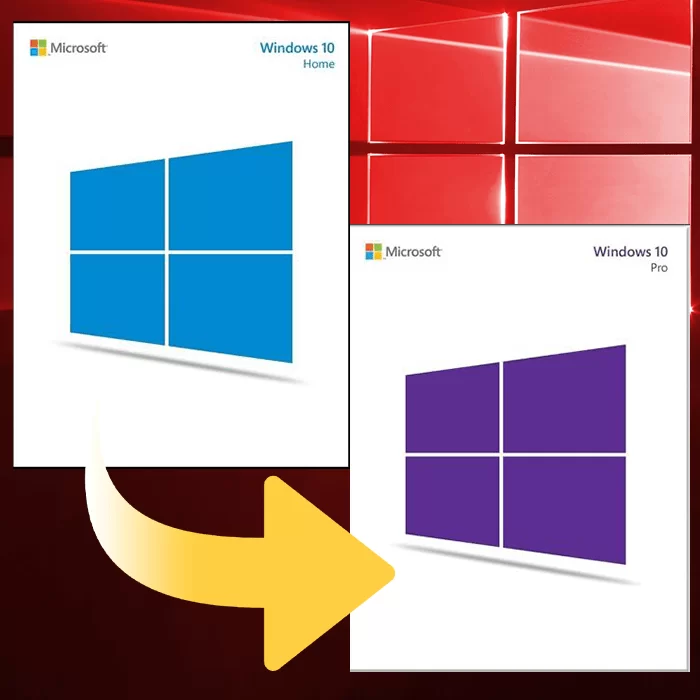
A Windows 10 Upgrade license is used to move from one Windows edition or version to another. For example, a Home to Pro upgrade key is used to unlock Windows 10 Pro features on a device already running Windows 10 Home.
A MAK license, or Multiple Activation Key, is used for activating multiple installations. It is commonly used by businesses, organizations, IT departments, and professional deployment environments.
LTSC and LTSB licenses are designed for systems that need long-term stability. These editions are not usually chosen for casual home use. They are better for fixed-purpose devices, controlled business environments, and systems where frequent feature updates are not desired.
Getting started with Windows 10 is simple when you choose the right edition and license type.
For best results, always check your device compatibility before installing Windows 10, especially if you are upgrading from an older version of Windows.
A Windows 10 product key is a license code used to activate a specific edition of Microsoft Windows 10. The key must match the Windows edition installed on your device.
Windows 10 Pro is usually the best choice for users who need business features such as BitLocker, Remote Desktop, Hyper-V, domain join, and Group Policy. Windows 10 Home is suitable for everyday personal use.
Standard Windows 10 Home and Pro support ended on October 14, 2025. Some LTSC and IoT LTSC editions have different lifecycle dates, so users should check the specific edition before purchasing or deploying Windows 10.
Windows 10 activation may still work when using a valid product key for the correct edition. However, users should consider the support status of the edition they are installing.
Windows 10 Home is designed for personal use. Windows 10 Pro includes additional business features such as BitLocker, Remote Desktop, Hyper-V, Group Policy, and domain join.
No. A product key must match the installed edition. A Windows 10 Pro key activates Windows 10 Pro, while a Windows 10 Home key activates Windows 10 Home.
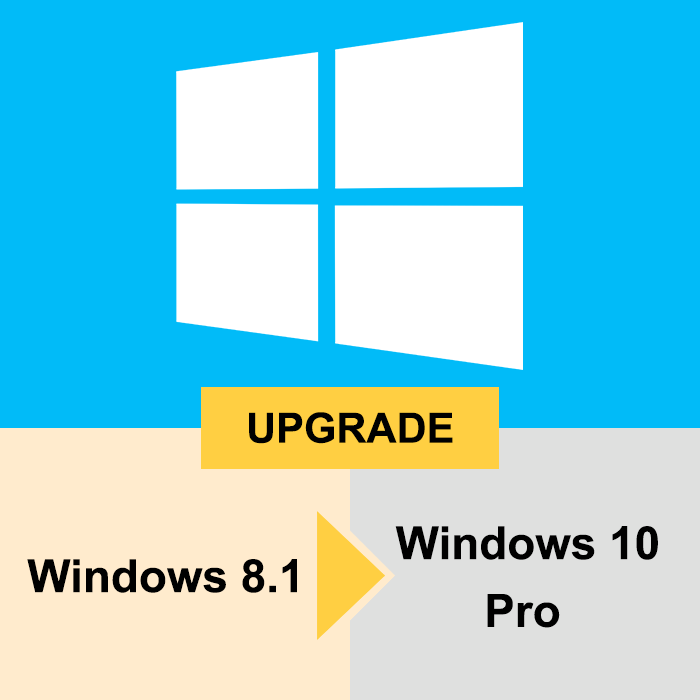
A Windows 8.1 to Windows 10 upgrade option is used for compatible devices moving from Windows 8.1 to Windows 10. Make sure your hardware and license type support the upgrade before installing.
Choose Home for personal use, Pro for business features, Pro for Workstations for demanding hardware, Enterprise for managed organizations, LTSC / LTSB for stable long-term systems, IoT Enterprise for dedicated devices, and MAK for multiple activations.
Compare Windows 10 Home, Pro, Pro for Workstations, Enterprise, LTSC, LTSB, IoT Enterprise, N editions, OEM, Upgrade, and MAK license options. Choose the edition that matches your device, installation type, and activation needs, then activate Windows 10 with the correct product key.